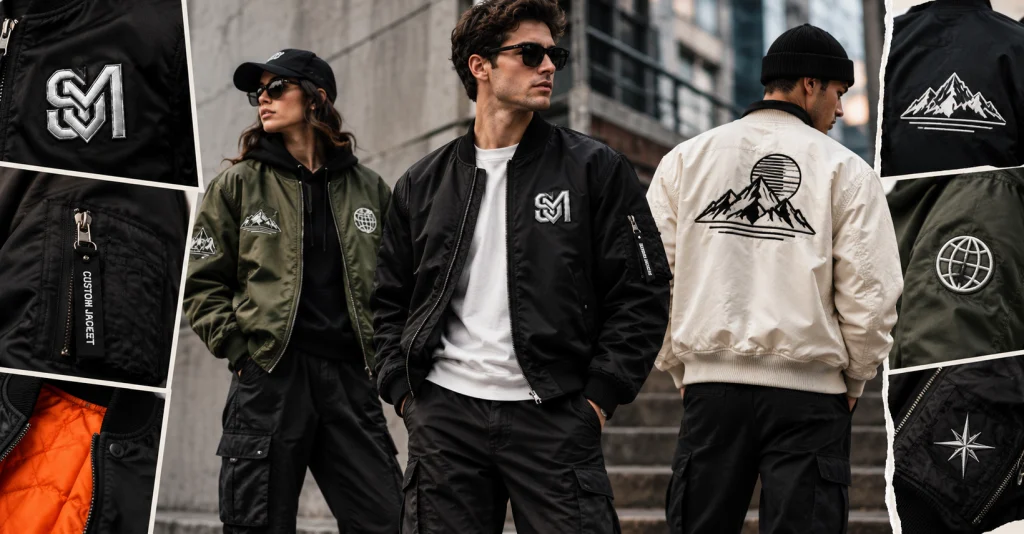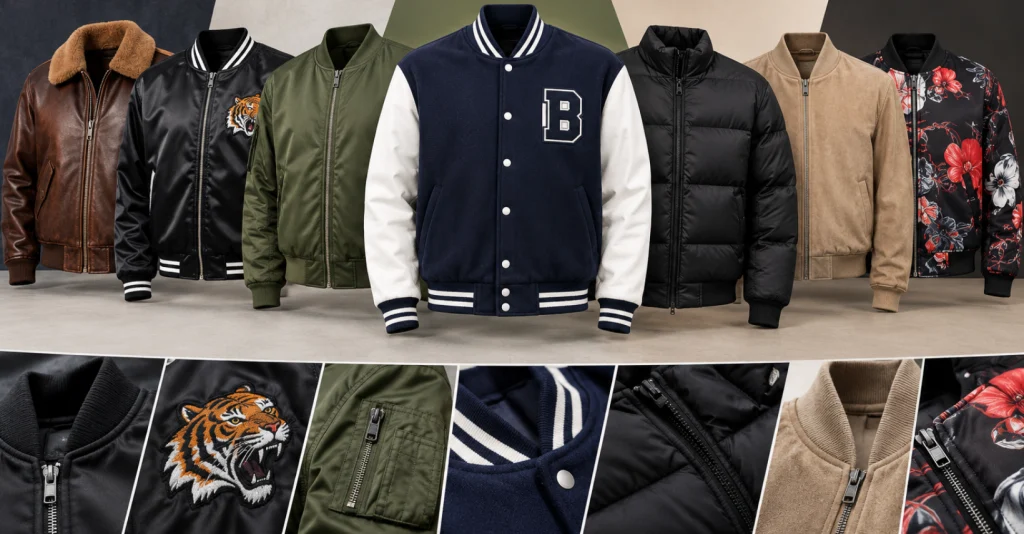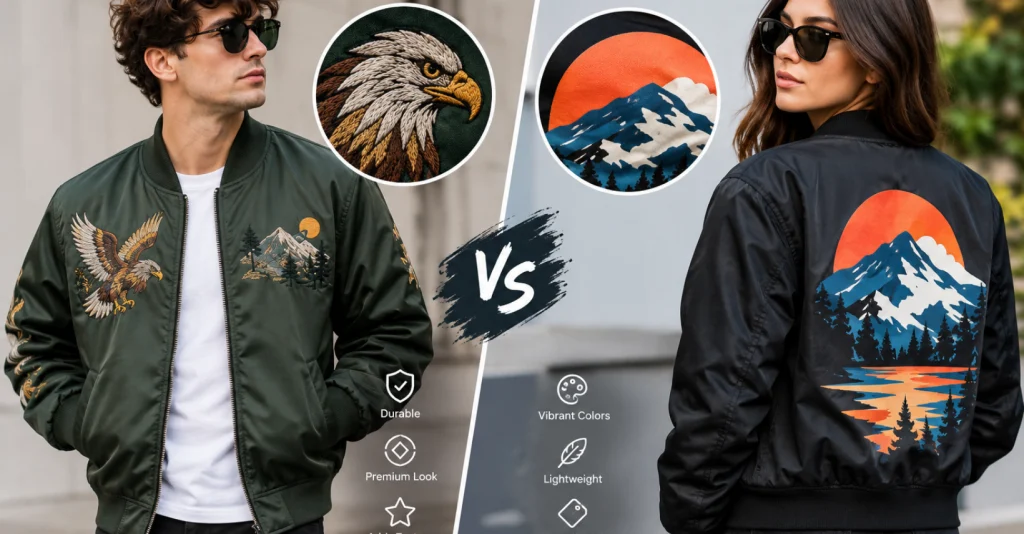
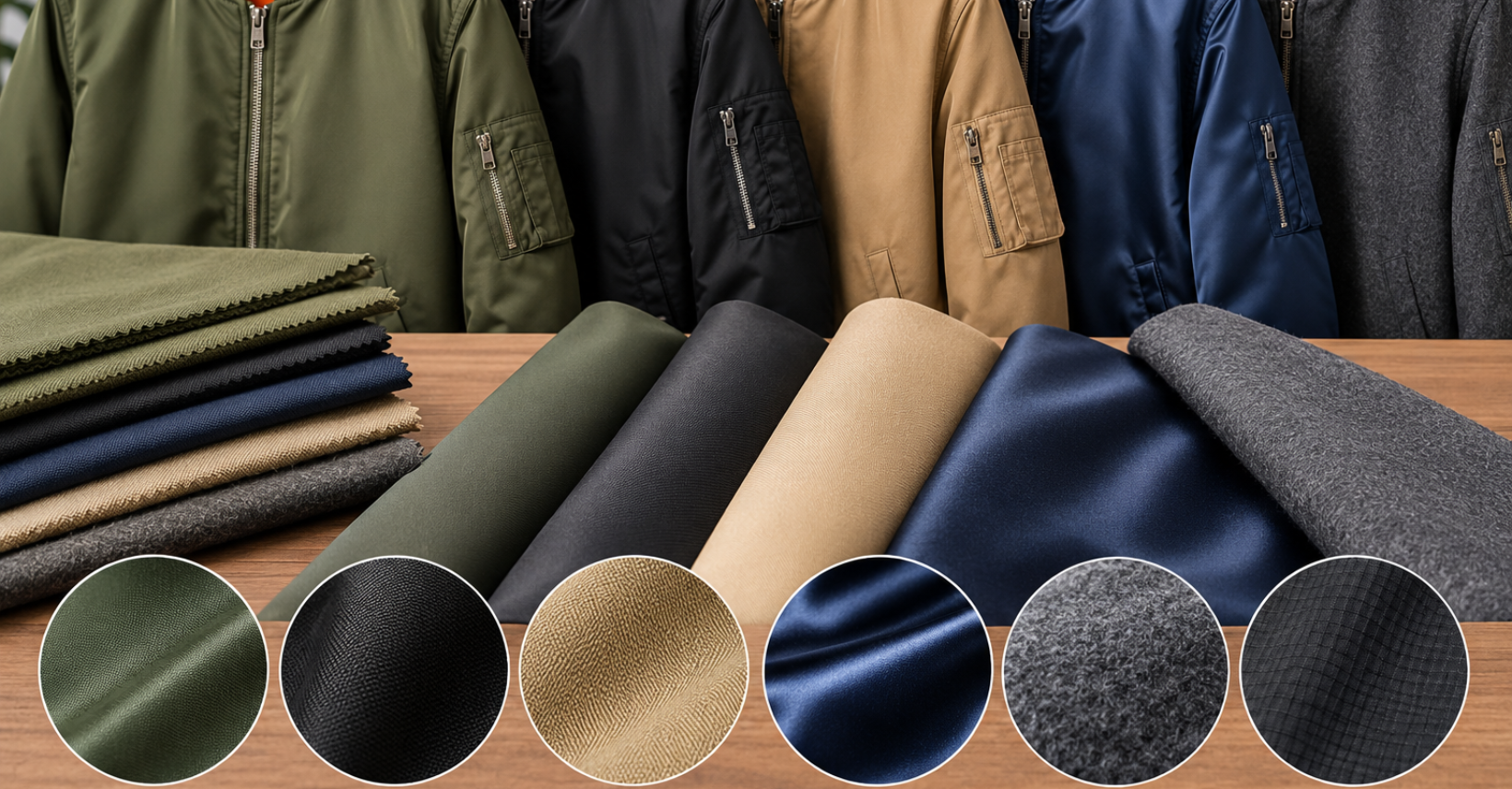
A bomber jacket is more than just a piece of outerwear. It is a timeless fashion statement that combines comfort, durability, versatility, and style. From classic military-inspired designs to modern streetwear and premium corporate apparel, bomber jackets have become an essential part of contemporary fashion. However, creating a high-quality bomber jacket begins with one important decision: choosing the right fabric.
The fabric you select affects almost every aspect of your jacket, including its appearance, comfort, warmth, durability, and overall quality. Whether you are developing a fashion collection, launching a clothing brand, designing promotional apparel, or ordering personalised jackets for your business, selecting the right material can make a significant difference to the finished product.
With so many materials available, including nylon, polyester, cotton, satin, wool blends, and recycled fabrics, finding the perfect option can feel overwhelming. Each material offers different benefits, making it important to understand how different fabrics perform and which options best suit your requirements.
At Bomber Jacket Makers UK, we understand the importance of selecting materials that complement your design and meet your expectations. The right combination of fabric, lining, stitching, and finishing can transform a simple jacket into a distinctive piece of apparel that reflects your brand identity.
In this comprehensive guide, we will explore the best fabrics for custom bomber jackets, compare their advantages, explain how to select materials for different seasons, and share practical tips to help you make an informed decision.
Whether you prefer a lightweight bomber jacket for everyday wear or a premium winter design, this guide will help you understand what to consider before starting your next custom jacket project.
Why Does Fabric Selection Matter for Custom Bomber Jackets?
Fabric is one of the most important elements in bomber jacket manufacturing. Although colours, logos, zippers, and decorative details influence a jacket’s appearance, the material determines how the garment feels, performs, and holds its shape.
Choosing the wrong fabric can result in a jacket that feels uncomfortable, looks different from the original design, or does not provide the expected level of durability. On the other hand, selecting a suitable material helps create a garment that balances appearance, practicality, and comfort.
Here are several reasons why fabric selection deserves careful consideration.
1. Comfort and Wearability
A bomber jacket should feel comfortable whether it is worn over a T-shirt, sweatshirt, or lightweight jumper. Different fabrics offer different levels of softness, flexibility, breathability, and weight.
For example, cotton is popular for its natural feel, while lightweight nylon is valued for its smooth surface and practical construction. Polyester blends can provide a balance of comfort, durability, and easy maintenance.
Your ideal choice depends on how the jacket will be worn and what your customers expect from the finished garment.
2. Durability and Long-Term Performance
Custom bomber jackets are often designed for repeated wear. Consequently, the fabric should withstand everyday use without losing its appearance too quickly.
Material quality, yarn strength, weave construction, stitching, and finishing all contribute to durability. A tightly woven fabric may offer useful resistance to wind and everyday abrasion, while a heavier cotton twill can provide a more substantial feel.
If you are creating jackets for a clothing brand, choosing durable materials can help maintain consistent product quality and support customer satisfaction.
3. Appearance and Brand Identity
Fabric has a major influence on the visual character of a bomber jacket.
A glossy satin finish creates a different impression from matte cotton twill. Nylon can produce a classic flight-jacket appearance, while wool blends offer a more traditional and textured look.
Think about the image you want your jacket to communicate. Are you creating minimalist streetwear, luxury-inspired outerwear, sportswear, corporate merchandise, or a vintage-style collection?
Selecting a material that supports your brand identity helps create a more cohesive and professional design.
4. Seasonal Suitability
Not every bomber jacket needs to provide the same level of warmth.
Lightweight materials are often suitable for spring and autumn, whereas insulated constructions and heavier fabrics may be more appropriate for colder conditions.
The outer fabric is only part of the equation. The lining, insulation, ribbed cuffs, collar, and hem also influence how warm the jacket feels.
Considering these components together helps ensure that your custom bomber jacket suits its intended season.
5. Production Cost and Value
Fabric selection also affects manufacturing costs. Material composition, weight, finishing, colour availability, and order quantity can influence the final price.
However, choosing the cheapest available fabric is not always the most cost-effective decision. If the material does not meet your customers’ expectations, the finished jacket may fail to deliver the value your brand promises.
Instead, focus on finding a balance between your budget, desired quality, and intended retail price.
What Are the Best Fabrics for Custom Bomber Jackets?
Several materials work well for bomber jackets, but the best option depends on the design, target audience, climate, and intended use.
Below are some of the most popular fabrics to consider when planning your next custom bomber jacket collection.
1. Nylon: The Classic Bomber Jacket Fabric
Nylon is closely associated with traditional flight jackets and remains a popular choice for contemporary bomber designs.
Its lightweight construction, smooth surface, and practical performance make it suitable for jackets intended for everyday wear. Depending on the weave and finishing, nylon can also provide useful wind resistance and resistance to light moisture.
Nylon is particularly attractive for brands seeking a sporty, functional, or military-inspired appearance.
Benefits of nylon bomber jackets:
- Lightweight and comfortable construction.
- Smooth surface suitable for a clean, modern appearance.
- Good strength relative to its weight.
- Potential for useful wind resistance.
- Available in different textures, finishes, and colours.
- Suitable for classic flight-jacket and contemporary streetwear designs.
Nylon also works well with different lining options. A lightweight lining can create a transitional-season jacket, while quilted construction can provide additional warmth.
However, nylon is not automatically waterproof. Its performance depends on the fabric construction and any water-repellent coating or membrane. Some nylon fabrics can also be susceptible to heat damage, so appropriate care instructions are important.
Best for: Classic bomber jackets, lightweight outerwear, streetwear collections, and sporty designs.
2. Polyester: A Versatile and Practical Option
Polyester is another widely used material for custom bomber jackets. It is popular because it offers considerable versatility in appearance, texture, and construction.
Depending on its specification, polyester can be lightweight and smooth or heavier and more structured. It can also be manufactured in different finishes, making it suitable for both understated everyday jackets and more fashion-focused designs.
Polyester is often considered by brands that want a practical material with relatively straightforward maintenance.
Benefits of polyester bomber jackets:
- Available in a wide range of colours.
- Can offer good resistance to everyday wear.
- Often maintains its shape well.
- Generally dries relatively quickly.
- Available in matte, smooth, textured, and glossy finishes.
- Suitable for different budgets and design requirements.
Polyester is particularly useful for creating coordinated collections in which consistent colours and repeatable material specifications are important.
It can also be combined with other fibres to achieve different characteristics. For example, a polyester-cotton blend can offer a balance of synthetic-fibre practicality and the familiar feel of cotton.
When selecting polyester, pay attention to fabric weight, weave, breathability, and finishing. These factors can affect how the jacket feels and performs.
Best for: Everyday bomber jackets, promotional apparel, branded clothing, and versatile fashion collections.
3. Cotton: A Comfortable Choice for Casual Bomber Jackets
Cotton is a strong option for brands that prefer a natural-feeling material with a softer, more understated appearance.
Unlike the smooth synthetic appearance associated with some traditional flight jackets, cotton can give a bomber jacket a relaxed and contemporary character.
Cotton twill is particularly worth considering because its diagonal weave can provide a structured appearance suitable for casual outerwear.
Benefits of cotton bomber jackets:
- Comfortable feel against clothing.
- Good everyday versatility.
- Available in different weights and textures.
- Suitable for matte and understated designs.
- Works well with embroidery and many printed decoration methods.
- Can create a distinctive casual or workwear-inspired appearance.
Cotton bomber jackets can be especially appealing to clothing brands that prioritise timeless designs over highly technical finishes.
Nevertheless, cotton can wrinkle and may shrink if it is not appropriately processed or cared for. Heavier cotton fabrics can also feel less flexible than lightweight synthetic alternatives.
For custom manufacturing, discuss pre-shrinking, colourfastness, fabric weight, and washing requirements before approving the final material.
Best for: Casual bomber jackets, everyday streetwear, workwear-inspired collections, and embroidered brand apparel.
4. Satin: A Smooth and Premium-Looking Fabric
Satin is an excellent option when appearance is a major priority.
Strictly speaking, satin describes a weave structure rather than a particular fibre. Satin fabrics may be produced using polyester, silk, or other fibres, and their performance depends on the material used.
For custom bomber jackets, polyester satin is a common option for achieving a smooth surface with a noticeable sheen.
This material is particularly popular for souvenir jackets, statement outerwear, and fashion collections that use bold colours or decorative artwork.
Benefits of satin bomber jackets:
- Smooth, lustrous appearance.
- Creates a distinctive fashion statement.
- Works well with colourful designs.
- Suitable for certain printed and embroidered applications.
- Offers an elevated visual finish.
- Can be used for both outer shells and linings, depending on its specification.
Satin can be particularly effective when paired with embroidered logos, decorative lettering, contrasting ribbing, or personalised artwork.
However, some satin fabrics can snag, show marks, or require more careful handling than sturdier woven materials. The suitability of satin for embroidery also depends on its weight and stability.
Always test the chosen decoration method on a representative fabric sample before proceeding with bulk production.
Best for: Souvenir bomber jackets, fashion-forward collections, statement outerwear, and decorative custom designs.
5. Wool Blends: A Strong Choice for Premium Winter Designs
Wool blends are worth considering when warmth, texture, and a more substantial appearance are priorities.
Wool-blend fabrics are commonly associated with varsity and letterman jackets, but they can also be used to create distinctive bomber-inspired outerwear.
The exact performance depends on the wool content, other fibres in the blend, fabric weight, and construction.
A wool-polyester blend, for example, may offer a different combination of structure, warmth, durability, and maintenance requirements from a fabric made primarily from wool.
Benefits of wool-blend bomber jackets:
- A rich, textured appearance.
- Suitable for cooler weather when appropriately constructed.
- A premium and traditional aesthetic.
- Works well with contrasting sleeves and ribbed trims.
- Complements embroidered logos and decorative patches.
- Suitable for heritage-inspired and upscale collections.
Wool blends can be particularly effective for businesses that want their outerwear to feel distinctive rather than purely sporty.
However, these fabrics may require more specialised care. Their weight and thickness can also influence the jacket’s fit, drape, and manufacturing requirements.
Before selecting a wool blend, confirm its fibre composition, cleaning instructions, and suitability for your intended design.
Best for: Premium winter bombers, heritage-inspired outerwear, varsity-style collections, and statement fashion pieces.
6. Recycled Fabrics: An Option for Sustainability-Focused Collections
Brands looking to incorporate recycled materials into their product ranges may wish to consider recycled polyester or recycled nylon.
These materials can be used in various fabric constructions, including lightweight shells and more structured outerwear fabrics.
Their performance depends on the fibre quality, yarn, weave, weight, and finishing rather than the recycled content alone.
Recycled materials may help a brand support its material-sourcing objectives, but environmental claims should always be accurate and supported by appropriate documentation.
Potential benefits include:
- An option for collections designed around recycled materials.
- Compatibility with a range of jacket styles.
- Availability in different colours and fabric constructions.
- Potential to support a clearly defined material-sourcing strategy.
If sustainability is central to your brand, ask suppliers about recycled content, traceability, relevant certifications, and the availability of supporting documentation.
Best for: Contemporary fashion brands, environmentally conscious product ranges, and businesses seeking documented recycled-material options.
Custom Bomber Jacket Fabric Comparison Table
Comparing the main fabric options side by side can make your decision easier.
| Fabric | Appearance | Main Advantages | Potential Limitations | Best Application |
|---|---|---|---|---|
| Nylon | Smooth, sporty | Lightweight, strong for its weight | Performance varies by construction | Classic flight jackets |
| Polyester | Versatile, smooth or textured | Practical maintenance and colour options | Breathability varies by fabric | Everyday and branded jackets |
| Cotton | Natural, matte | Comfortable feel and casual appearance | Can wrinkle or shrink | Casual and workwear styles |
| Satin | Smooth, glossy | Eye-catching, fashion-focused finish | Some types can snag | Statement and souvenir jackets |
| Wool blend | Textured, substantial | Warmth and premium appearance | May require specialist care | Winter and heritage designs |
| Recycled polyester or nylon | Depends on construction | Supports recycled-material product options | Claims and composition require verification | Sustainability-focused collections |
There is no single fabric that is best for every bomber jacket. The right choice depends on the product you want to create, the budget you need to maintain, and the experience you want customers to have.
How to Choose the Right Fabric for Your Brand
Understanding individual materials is only the first step. The next stage is matching their characteristics to your specific requirements.
Here are the most important factors to consider when selecting fabric for custom bomber jackets.
1. Identify the Purpose of Your Jacket
Start by deciding what the jacket needs to achieve.
A bomber jacket created for daily wear will have different requirements from one designed for winter use, corporate branding, or a premium fashion launch.
Ask yourself:
- Who will wear the jacket?
- Where will it be worn?
- Will it be used mainly indoors or outdoors?
- Is appearance or performance the main priority?
- Will it be sold as part of a fashion collection or used as branded merchandise?
For example, a streetwear brand might prefer a structured cotton bomber with a matte finish. A sports-inspired brand may prefer lightweight nylon, while a premium fashion label might choose satin or a wool blend.
Defining the purpose first helps narrow down the available materials.
2. Consider the Weather and Season
Seasonal suitability is another important factor.
For spring and autumn, lightweight nylon, polyester, or cotton blends can work well, depending on the desired appearance and construction.
For colder weather, a heavier outer fabric combined with a suitable lining or insulation may provide a better solution.
Remember that the outer fabric alone does not determine warmth. Insulation, lining, fit, cuff construction, and layering all contribute to thermal comfort.
If your customers will wear the jacket in wet conditions, consider whether a water-repellent finish is necessary. For prolonged or heavy rain, a conventional bomber fabric may not provide sufficient protection without a suitable waterproof construction.
Practical tip: Choose the material and lining together rather than treating them as separate decisions.
3. Choose the Right Fabric Weight
Fabric weight affects the jacket’s structure, drape, and overall feel.
It is commonly expressed in grams per square metre (GSM), although some materials are also specified using ounces per square yard or other industry measurements.
A lighter fabric may produce a relaxed, flexible jacket, while a heavier material can create a more structured silhouette.
However, fabric weight should never be considered in isolation. Two fabrics with similar weights can feel and perform differently because of their fibre composition, weave, and finishing.
When discussing fabric with your manufacturer, request the actual specification rather than relying on descriptions such as lightweight, medium-weight, or heavyweight.
This makes it easier to compare alternatives and maintain consistency between samples and production.
4. Think About Breathability and Comfort
A jacket should be comfortable for its intended use.
Breathability can be particularly important when the jacket will be worn while walking, commuting, travelling, or participating in everyday activities.
Cotton may appeal to customers who prefer a natural-feeling material, while lightweight synthetic fabrics can be suitable for practical outerwear.
However, fibre composition alone does not determine breathability. Fabric construction, coatings, lining, and garment design also affect how heat and moisture are managed.
Consider the complete garment, including whether the jacket will be lined, insulated, or worn over heavier clothing.
5. Match the Fabric to Your Branding Requirements
Custom bomber jackets often feature embroidery, printed graphics, appliqué, woven labels, or decorative patches.
The chosen material should support the decoration method without compromising the appearance of the finished garment.
For example, cotton twill can provide a relatively stable surface for many embroidery applications. Satin may suit certain decorative designs, but lightweight or slippery fabrics can require additional stabilisation and careful handling.
Large embroidery designs can also add weight and stiffness to lighter materials.
If your jacket includes a prominent back logo, sleeve artwork, or detailed chest embroidery, discuss the decoration with your manufacturer before finalising the fabric.
The best approach is to test the actual artwork on the proposed material. This helps identify issues with puckering, distortion, colour matching, and stitch quality before production begins.
6. Establish Your Budget
Your budget influences the range of materials, finishes, and construction options available.
However, the lowest fabric price does not necessarily deliver the best value.
A jacket with poor colour consistency, uncomfortable lining, or unsuitable fabric may disappoint customers even if the original manufacturing cost was low.
Instead, determine the quality level your brand requires and compare materials that meet those expectations.
When requesting a quotation, consider the full specification, including:
- Outer fabric composition and weight.
- Lining and insulation.
- Ribbed collar, cuffs, and hem.
- Zippers and other hardware.
- Embroidery, printing, or patches.
- Labels and packaging.
- Order quantity and colour requirements.
Comparing complete specifications provides a more meaningful basis for evaluating prices.
Why Lining Matters When Choosing Bomber Jacket Fabric
Although the outer shell receives most of the attention, the lining can significantly affect the jacket’s comfort, finish, and overall quality.
The right lining helps the garment sit comfortably over other clothing and can contribute to the appearance of the interior.
Several lining options are worth considering.
Polyester Taffeta Lining
Polyester taffeta is a practical choice for many lightweight bomber jackets.
It offers a relatively smooth surface and can help clothing slide over the lining during dressing.
Its final feel and durability depend on the quality and specification of the fabric.
Satin Lining
Satin lining provides a smoother, more lustrous interior finish.
It can be particularly suitable for fashion-led bomber jackets where interior presentation is part of the premium experience.
The fabric should be selected carefully to ensure it meets the project’s durability and maintenance requirements.
Quilted Lining
Quilted lining incorporates a padded structure that can provide additional warmth and a more substantial appearance.
It is often considered for autumn and winter bomber jackets.
The level of warmth depends on the insulation material, thickness, quilting construction, and other garment components.
Lightweight or Breathable Lining
Some designs benefit from a lighter lining that prioritises comfort without adding unnecessary bulk.
The appropriate option depends on the jacket’s intended season and use.
Before approving your design, ensure that the outer fabric, lining, insulation, and ribbed trims work together as a complete garment.
How to Select Fabric for Different Bomber Jacket Styles
Different bomber jacket designs call for different material characteristics.
Classic Military-Inspired Bomber Jackets
Classic flight-jacket designs are commonly associated with nylon shells, practical pockets, front zippers, and ribbed trims.
A suitable nylon fabric can help achieve the lightweight, functional appearance associated with this style.
For colder conditions, consider adding an appropriate lining or insulation.
Streetwear Bomber Jackets
Streetwear designs often focus on silhouette, texture, colour, and distinctive decoration.
Cotton twill, polyester twill, nylon, and certain satin fabrics can all work, depending on the desired aesthetic.
An oversized silhouette may benefit from a fabric with enough structure to maintain its shape, while a softer material can create a more relaxed drape.
Premium Fashion Bomber Jackets
Premium bomber jackets often rely on careful material selection and refined finishing.
Satin, high-quality nylon, structured polyester, and wool blends can all be suitable options.
The ideal material should support the intended design while complementing the jacket’s hardware, lining, stitching, and decoration.
Pay particular attention to surface quality, colour consistency, and how the material feels in the finished garment.
Corporate and Promotional Bomber Jackets
Businesses often use custom bomber jackets to create coordinated uniforms, promotional apparel, or branded merchandise.
Polyester, cotton blends, and nylon are possible choices, depending on the intended use.
When selecting a fabric for corporate branding, consider comfort, maintenance, colour availability, and the durability of the logo application.
If the jackets will be worn regularly, prioritise a material that maintains an acceptable appearance after repeated use and appropriate cleaning.
Winter Bomber Jackets
Winter bomber jackets require more consideration than simply choosing a thick outer fabric.
A suitable shell, insulation, lining, and construction should work together to provide the intended level of warmth.
Wool blends and heavier woven fabrics may suit certain designs, while nylon and polyester shells can also be used with appropriate insulation.
If the jacket is intended for cold or wet environments, specify the performance requirements clearly rather than assuming that a heavier fabric automatically provides greater protection.
Common Fabric Selection Mistakes to Avoid
Choosing a fabric based only on its appearance can lead to problems later in the manufacturing process.
Avoid these common mistakes when planning your custom bomber jackets.
Mistake 1: Choosing Appearance Over Practicality
A fabric may look excellent in photographs but feel uncomfortable or perform poorly in everyday use.
Consider how the garment will be worn and whether the material suits its intended purpose.
Mistake 2: Ignoring the Lining
The outer shell and lining influence the finished jacket together.
An unsuitable lining can affect comfort, drape, and ease of dressing.
Always assess both components before approving the final specification.
Mistake 3: Overlooking Fabric Weight
A fabric that is too light may not provide the structure your design requires. Conversely, a heavy material may make the jacket feel bulky or restrict movement.
Request the actual fabric weight and evaluate it alongside the intended fit.
Mistake 4: Forgetting About Logo Compatibility
Embroidery, printing, and appliqué can behave differently on different materials.
Testing your logo on the proposed fabric helps confirm that the chosen decoration method is suitable.
Mistake 5: Skipping Sample Approval
Photographs and fabric descriptions cannot fully communicate the feel, drape, and construction of a finished jacket.
Requesting and approving a physical sample, where available, helps reduce uncertainty before committing to a larger order.
Mistake 6: Failing to Confirm Fabric Consistency
If you plan to reorder your bomber jackets, material consistency matters.
Different production batches can vary in colour, texture, or finish if specifications and sourcing are not controlled carefully.
Ask your manufacturer how the approved fabric specification and colour reference will be maintained for future orders.
Why Fabric Sampling Is Important Before Bulk Production
Fabric sampling is a valuable step in developing custom bomber jackets.
It allows you to assess a material before committing to the complete manufacturing process.
Start by requesting swatches of the materials that best match your requirements. Compare their weight, texture, colour, flexibility, and overall appearance.
Next, evaluate how the fabric works with your chosen design.
If the jacket includes embroidery, printed artwork, decorative panels, or specialist trims, make sure these elements are considered during sample development.
A completed sample can help you review:
- Overall fit and silhouette.
- Fabric appearance and hand feel.
- Lining comfort.
- Stitching and construction.
- Zipper operation and hardware.
- Logo placement and decoration quality.
- Colour coordination.
- General suitability for the intended season.
For more technical products, you may also need appropriate performance testing, such as colourfastness, seam strength, abrasion resistance, or water resistance.
The exact tests should reflect the claims you intend to make about the finished jacket.
Once the sample meets your requirements, document the approved fabric composition, weight, colour, lining, trims, and decoration details. This creates a clearer reference for production and future repeat orders.
How to Care for Different Bomber Jacket Fabrics
Care requirements vary according to fibre composition, fabric construction, lining, decoration, and garment finishing.
Providing suitable care instructions can help customers maintain their jackets and protect the appearance of the material.
Caring for Nylon Bomber Jackets
Follow the garment’s care label and avoid excessive heat, which can damage some synthetic fabrics.
Use cleaning methods appropriate for the specific material and any water-repellent finish.
Caring for Polyester Bomber Jackets
Many polyester garments are relatively easy to maintain, but washing temperature and drying instructions still matter.
Avoid assuming that every polyester fabric can tolerate the same cleaning process.
Caring for Cotton Bomber Jackets
Cotton jackets may wrinkle or shrink if improperly washed or dried.
Follow the care label and consider the fabric’s pre-shrinking and finishing treatments.
Caring for Satin Bomber Jackets
Satin may require more careful handling, particularly when the fabric has a delicate surface or decorative finish.
Avoid unnecessary friction and follow the manufacturer’s cleaning instructions.
Caring for Wool-Blend Bomber Jackets
Some wool-blend jackets require specialist cleaning.
Check the care label before washing, and avoid methods that may cause shrinkage or distortion.
For all custom bomber jackets, decoration should also be considered when establishing care instructions. Embroidery, patches, and printed designs may have specific maintenance requirements.
How Custom Bomber Jackets Can Strengthen Your Brand
For clothing businesses, custom bomber jackets provide an opportunity to combine product quality with a recognisable brand identity.
The right fabric helps establish the visual and physical character of your collection.
A lightweight nylon bomber may communicate a sporty, contemporary image, while a cotton design can feel relaxed and understated. Satin can support a bold fashion statement, whereas a wool blend can help create a heritage-inspired look.
Branding can then be incorporated through embroidery, printing, woven labels, patches, or other suitable decoration methods.
For businesses ordering promotional jackets, a consistent material and colour specification can also help create a coordinated appearance across a team.
The key is to approach the jacket as a complete product. Fabric, colour, fit, lining, hardware, and decoration should all support the same design objective.
By investing time in material selection, you can develop custom bomber jackets that better reflect your brand’s style and meet your customers’ expectations.
Why Choose Bomber Jacket Makers UK for Custom Bomber Jackets?
Finding the right fabric is an important step towards creating bomber jackets that match your design vision.
At Bomber Jacket Makers UK, our website provides a starting point for businesses, clothing brands, and individuals exploring custom bomber jacket options.
When planning your project, it is worth defining your preferred style, target quantity, fabric requirements, colour palette, and branding details before requesting a quotation.
A clear brief helps establish which material options may be appropriate and what details need to be confirmed during development.
Whether your concept focuses on classic flight-jacket styling, modern streetwear, promotional apparel, or a distinctive fashion collection, careful planning can help you make more informed decisions about the finished garment.
When discussing your project, consider sharing:
- Your preferred bomber jacket style.
- The intended season and use.
- Your preferred fabric or material characteristics.
- Required colours and sizes.
- Logo artwork and decoration preferences.
- Your estimated order quantity.
- Any specific quality or performance requirements.
These details provide a useful foundation for discussing material suitability and manufacturing requirements.
Frequently Asked Questions About Custom Bomber Jacket Fabrics
1. What Is the Best Fabric for Custom Bomber Jackets?
There is no single best fabric for every design. Nylon is a popular choice for classic flight jackets, polyester offers versatility, cotton provides a natural-feeling casual option, satin creates a glossy appearance, and wool blends can suit heavier, premium styles.
The best material depends on your design, budget, intended season, and performance requirements.
2. Is Nylon or Polyester Better for Bomber Jackets?
Both can be suitable. Nylon is often associated with classic flight-jacket styling and offers good strength relative to its weight. Polyester is versatile and available in a wide range of constructions and finishes.
The final choice should be based on the actual fabric specification rather than fibre name alone.
3. Is Cotton Suitable for Custom Bomber Jackets?
Yes. Cotton can be an excellent option for casual bomber jackets, particularly when a matte appearance and comfortable feel are priorities.
Cotton twill is worth considering for structured designs, although shrinkage, wrinkling, and care requirements should be evaluated.
4. Which Fabric Is Best for Winter Bomber Jackets?
The best choice depends on the intended temperature and jacket construction.
Wool blends, heavier woven fabrics, and synthetic shells combined with suitable insulation can all be appropriate. Lining, insulation, fit, and protection from wind also affect warmth.
5. Is Satin a Good Choice for Custom Bomber Jackets?
Satin can be an excellent choice for fashion-focused and souvenir-style bomber jackets.
Its smooth, lustrous surface creates a distinctive appearance. However, some satin fabrics are more susceptible to snagging and may require additional care during decoration and manufacturing.
6. Which Fabric Is Best for Embroidered Bomber Jackets?
Cotton twill, suitable polyester fabrics, and many nylon fabrics can support embroidery when the material is stable enough for the chosen design.
The best option depends on the fabric weight, embroidery size, stitch density, and stabilisation method.
Testing the actual artwork on the selected material is recommended before bulk production.
7. How Does Fabric Weight Affect a Bomber Jacket?
Fabric weight influences structure, drape, and the overall feel of a jacket.
Lighter materials may create a more flexible garment, while heavier materials can provide a more substantial appearance.
However, weight alone does not determine durability, warmth, or quality. Fabric construction and the complete garment specification also matter.
8. What Should I Check Before Ordering Custom Bomber Jackets?
Before placing an order, confirm the fabric composition, weight, colour, lining, fit, hardware, decoration, and care requirements.
Requesting a sample can help you assess the complete garment before approving production.
If repeat orders are important, document the approved specifications to support consistency across future batches.
9. Are Recycled Fabrics Suitable for Custom Bomber Jackets?
Yes. Recycled polyester and recycled nylon are available in different fabric constructions and can be suitable for various bomber jacket styles.
Their suitability depends on the specific fabric and its intended use. If your brand makes recycled-content claims, request appropriate documentation to support those claims.
10. Can I Choose Different Fabrics for Different Bomber Jacket Designs?
Yes. Different designs can use different materials to achieve specific appearances and performance characteristics.
For example, a lightweight flight jacket might use nylon, while a casual design could use cotton twill and a fashion-focused jacket could use satin.
Selecting materials according to each design’s requirements helps create a more distinctive collection.
Final Thoughts: Make the Right Fabric Choice for Your Custom Bomber Jackets
Choosing the best fabric for custom bomber jackets involves more than selecting a colour or choosing the material that looks most attractive.
It requires considering comfort, durability, fabric weight, seasonal suitability, lining, branding, maintenance, and budget.
Nylon remains a strong option for classic flight-jacket styling, polyester offers flexibility across different designs, cotton suits relaxed everyday wear, satin creates a distinctive glossy finish, and wool blends can add warmth and texture to premium outerwear.
The most effective approach is to identify your product’s purpose, compare suitable materials, request samples, and approve the complete garment before proceeding with bulk production.
For clothing brands, retailers, and businesses, these steps can help establish a more consistent product specification and reduce uncertainty during manufacturing.
Ultimately, the best custom bomber jacket is one in which every component works together. When the fabric, lining, fit, finishing, and branding complement one another, the result is a garment that looks cohesive, feels comfortable, and represents your brand effectively.
Start planning your next custom bomber jacket with Bomber Jacket Makers UK. Explore your options and develop a design that brings your creative vision to life.